Speciality
AI and Business Automation
Practical AI and automation for UK businesses: remove the repetitive admin, connect the systems that do not talk to each other, and see your business on one screen. Projects from £90 plus VAT.
Artificial intelligence is useful long before it is impressive. For most businesses the value is not in anything dramatic. It is in removing the small, repetitive tasks that quietly consume several hours every week, and in finally being able to see your own information in one place.
QLine IT builds practical automation for businesses in Leeds and across the United Kingdom. No jargon, no long project, and no requirement that you understand any of it.
You do not need to be technical
AI can be daunting if it is not your field. Most business owners know they should be doing something with it, and have no idea what that something is. That is normal, and it is the most common reason businesses have not started.
You do not need to learn the technology. You need to know which of your tasks are worth removing, and someone to remove them. We handle the second part, and we will help you work out the first.
An hour to build, hours saved every week
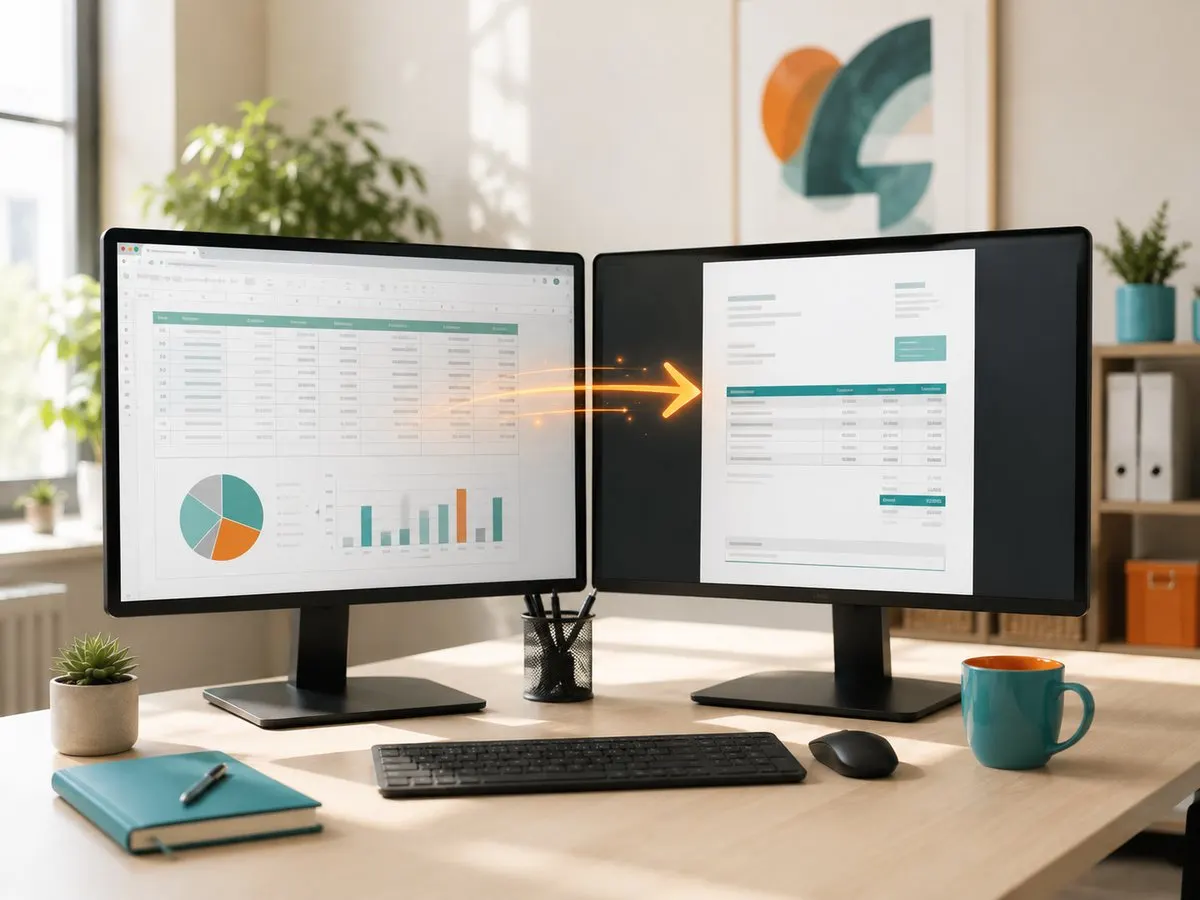
This is the part that surprises people. A simple automation often takes about an hour to create. If it removes a task somebody does for twenty minutes a day, it has paid for itself within a fortnight and keeps paying every week after that. And as our own experience below shows, sometimes what a project finds is worth considerably more than the time it saves.
That is why we start small. One irritating task, removed properly, is worth more than a large plan that never begins. Once you have seen it work on something real, deciding what to do next becomes much easier.

What we build
Automating repetitive admin
Copying figures between systems, chasing the same information every week, producing the same report every month, checking one list against another. These tasks are too small to write down and too frequent to ignore. They are usually the first things worth removing.
Connecting systems that do not talk to each other
Most businesses run several pieces of software that each hold part of the picture and none of which share it. We build the connections between them so information moves once, automatically, instead of being retyped.
Billing and account processes
Producing invoices, matching them to the right client records, flagging what is due and what has not been paid. Billing is repetitive by nature, which makes it one of the areas where automation pays back fastest and where manual errors cost the most.
Dashboards and reporting
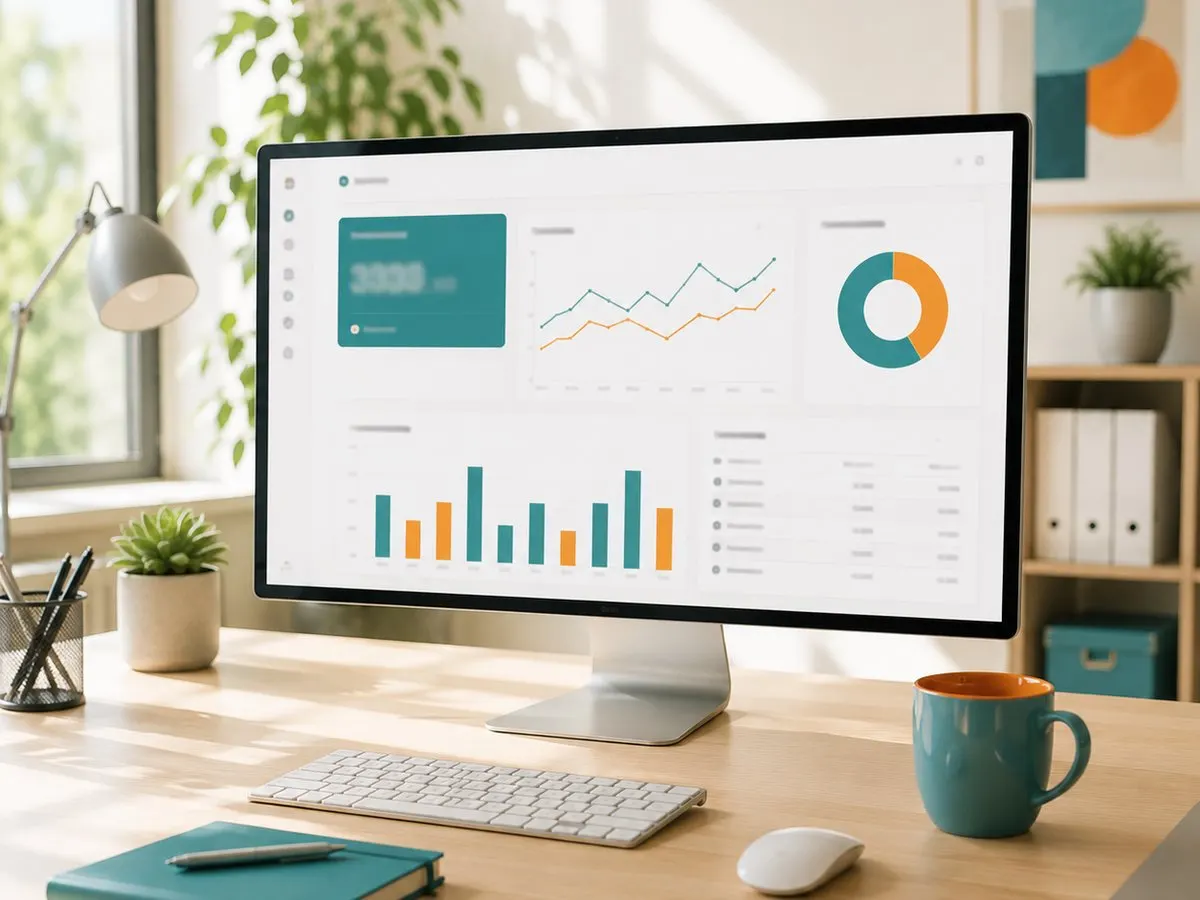
You almost certainly already hold the information needed to answer the questions you care about. A dashboard puts it on one screen: which clients are on which contracts, what is due to be invoiced, what is outstanding, what is expiring and where the margin actually sits. No more assembling the answer by hand.
Automatic alerts
Being told when something needs attention is more useful than remembering to check. Contracts approaching renewal, invoices past due, thresholds crossed, information missing. The system watches, you get told.
AI tools for your staff, set up safely
Assistants such as ChatGPT, Claude and Microsoft Copilot are genuinely useful for drafting, summarising and explaining. They also carry a real confidentiality risk if staff use free accounts for client information. We set up the right business accounts, configure them properly, and give your team clear rules about what may and may not be put into them.
We use this ourselves
QLine IT did this to its own business first. Over the past year we automated a large part of the administration that used to be done by hand, covering the accounting side, the record of which client holds which products and services, and the billing process connecting the two. Work that meant somebody moving information between systems and rebuilding the same reports each month now largely runs on its own.
The most useful thing it found was not time. Our ticket system and our accounts package had never spoken to each other directly, and once we connected them we uncovered more than £1,000 every month of work that was being delivered and never billed. It had been happening quietly for a long time, because nothing in either system was designed to notice it.
That is worth pausing on. It was not a mistake anybody made. It was a gap between two pieces of software that each did their job correctly. Any business running separate systems for the work it does and the money it charges has the same gap, and by its nature it is invisible until something is built to look at it.
It was built in pieces, starting with the most annoying task, using tools that already existed. We are recommending an approach we have already tested rather than one we have only read about.
How it works
We start with a conversation, not a proposal. You describe what takes up time, we tell you honestly which parts are worth automating and which are not. Some tasks are not worth the effort and we will say so.
From there we build the first automation, you use it for a couple of weeks, and we decide together whether to continue. There is no requirement to commit to a programme of work before you have seen anything working.
Because this is built on top of your existing systems rather than replacing them, there is no migration, no retraining and no disruption to how your business runs today.
Sensible about the risks
We are not going to tell you AI is infallible, because it is not.
These tools can be confidently wrong, so anything factual, financial or legal needs a person to check it. Automation should never send something to a client or a regulator without human sight of it. And a broken process automated is simply a broken process running faster, so we fix the process before we automate it.
Everything we build sits within your existing data protection and cybersecurity obligations. QLine IT holds Cyber Essentials Plus certification and our staff hold enhanced DBS status.
Pricing
Projects start from £90.00 plus VAT.
That is deliberately low, because the point of this page is that finding out costs you very little. A first project at that price is typically a single task removed: a report that builds itself, a set of figures that moves between systems on its own, an alert that tells you when something needs attention.
If that task takes somebody twenty minutes a day, the project has paid for itself within the first fortnight and continues saving time every week afterwards.
Larger pieces of work, such as a full dashboard or automating an entire billing process, are quoted individually once we understand what is involved. We tell you the price before we start, and we tell you if we think the work is not worth doing.
Get started
If there is a task in your business that somebody does every week and nobody enjoys, there is a good chance it does not need doing at all.
Get in touch with QLine IT and we will tell you whether it can be removed, what it would take, and whether it is worth doing.
Questions we're asked
How much does business automation cost?
Projects start from £90 plus VAT. A first project is typically one task removed, such as a report that builds itself or figures that move between systems on their own. Larger work, such as a full dashboard, is quoted before we start.
Is it safe to use ChatGPT, Claude or Copilot for business?
Yes, with the right business accounts and clear rules. Free accounts can carry a confidentiality risk if staff put client information into them. We set up business accounts, configure them, and give your team clear rules about what may and may not be entered.
Do we need to replace our existing software?
No. We build on top of the systems you already use, so there is no migration and no retraining.
Will automation send things to clients without anyone checking?
No. Anything that goes to a client or a regulator has a person check it first.
What does someone in your business do every week that nobody enjoys?
Tell us. We will say whether it can be removed, what it would take, and whether it is worth doing.
Speciality
Related services
Bespoke Software Development
Secure bespoke business software from Precinct, the software arm of QLine IT. Tailored to your business and hosted by us for one simple mont
Microsoft 365 and Email for Business
Microsoft 365 and Exchange email set up, migrated and managed by a Microsoft Solutions Partner: domains, mailboxes, Teams, SharePoint, backu
Data Protection & Cybersecurity Services
Cyber security services for Leeds and UK businesses: data protection, GDPR compliance, Cyber Essentials, access control and encrypted backup